

Last Updated: November 19, 2026
Quick Summary
Durable outdoor clothes for men are worth the money when the fabric, stitching, and weatherproofing hold up across seasons instead of a single trip. Spend on the shell and footwear, save on mid-layers and shorts, and check fiber type, seam finishing, and DWR before buying.
- Nylon is stronger and more abrasion-resistant than polyester, though it stretches less and can feel stiffer.
- A 30-denier ripstop shell suits travel and light trail use; 70-denier or higher suits sustained abrasion.
- A 600 mm coating handles light rain and wind, while 10,000 mm or higher is built for hours of steady rain.
- Most men overbuy shells and underbuy mid-layers, which do the quiet warmth-trapping work.
- Lucky Bear's featured pieces are priced between $35.00 and $60.00, and the windbreakers run small, so size up.
Table of Contents
- Quick Comparison: Best Durable Outdoor Clothes for Men
- Durable Outdoor Clothing Materials That Actually Hold Up
- What Separates Men's Outdoor Clothing Brands That Last
- Layering Systems: Base Layer, Mid-Layer, and Shell Jacket
- Cheap Durable Outdoor Clothes for Men: Where to Save and Where Not To
- Real-World Stress Testing: Repairability and Longevity
- Fit for Every Body Type and Climate
- Build Your Layering Kit with Lucky Bear
- Frequently Asked Questions
Quick Comparison: Best Durable Outdoor Clothes for Men
Durable outdoor clothes for men are worth the money when the fabric, stitching, and weatherproofing hold up across seasons instead of a single trip. Lucky Bear's California-inspired apparel is designed for that kind of range, from beach days to mountain trips.
Here is the short version of the pieces featured in this guide.
| Piece | Price | Best For | Why It Made the List |
|---|---|---|---|
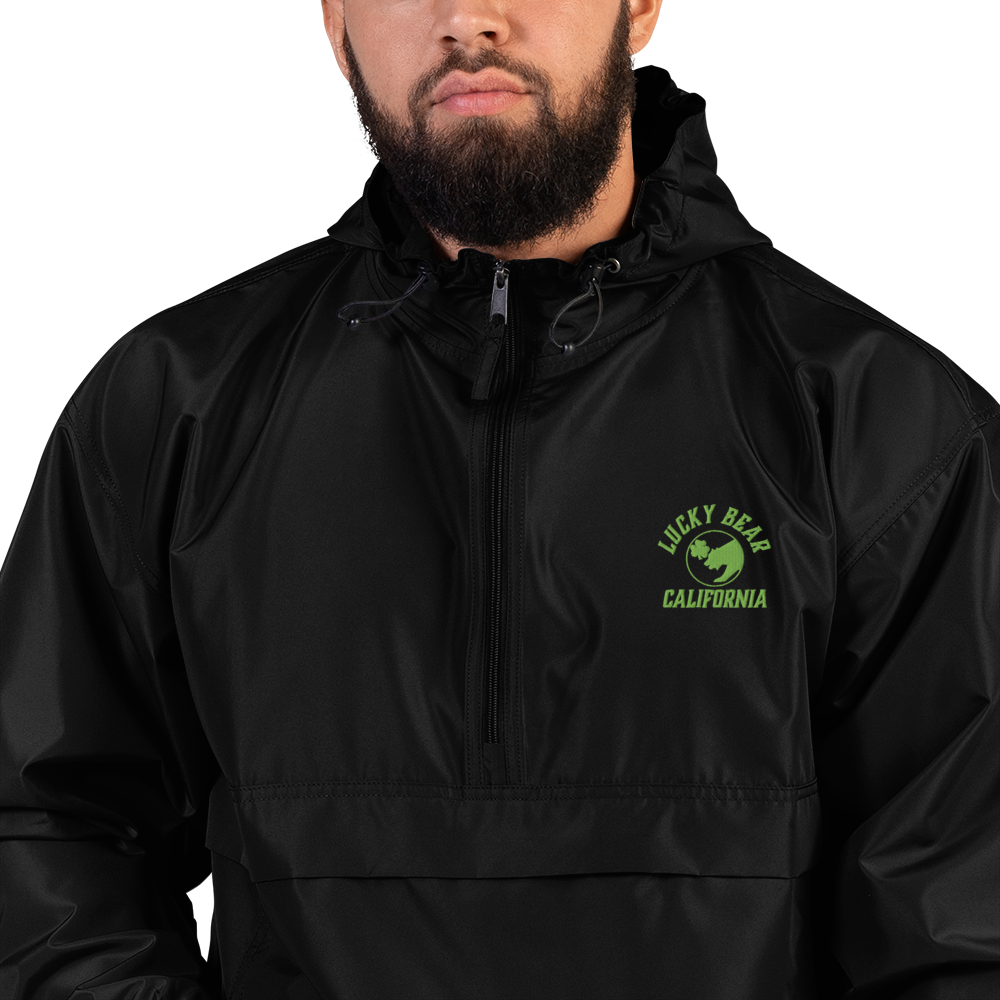
| Lucky Bear Embroidered Champion Packable Jacket | $60.00 | Packable shell for travel and trail | Wind and rain resistant, packs into its own pouch pocket |
| Spread the Luck Unisex Lightweight Zip Up Windbreaker | $60.00 | Everyday wind and light rain | Water-resistant coating, 600 mm waterproof pressure resistance |
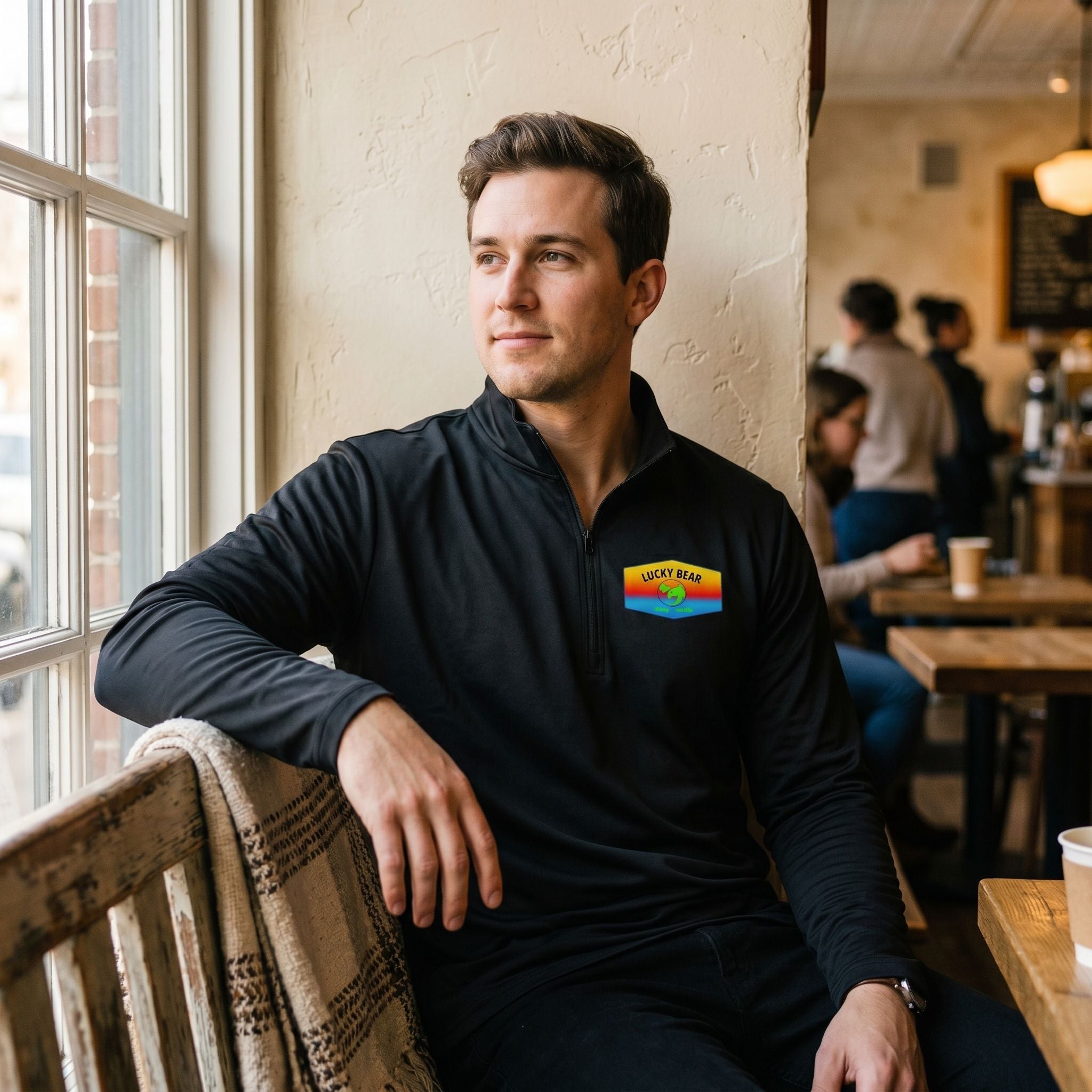
| Everyday Sunset Lightweight Quarter-Zip Pullover | $35.00 | Mid-layer for active days | Moisture-wicking, odor-resistant, layers cleanly |
| Sierra Sunset Quarter-Zip Pullover | $35.00 | Cool-weather mid-layer | Ultra-light, smooth fit, works alone or under a shell |
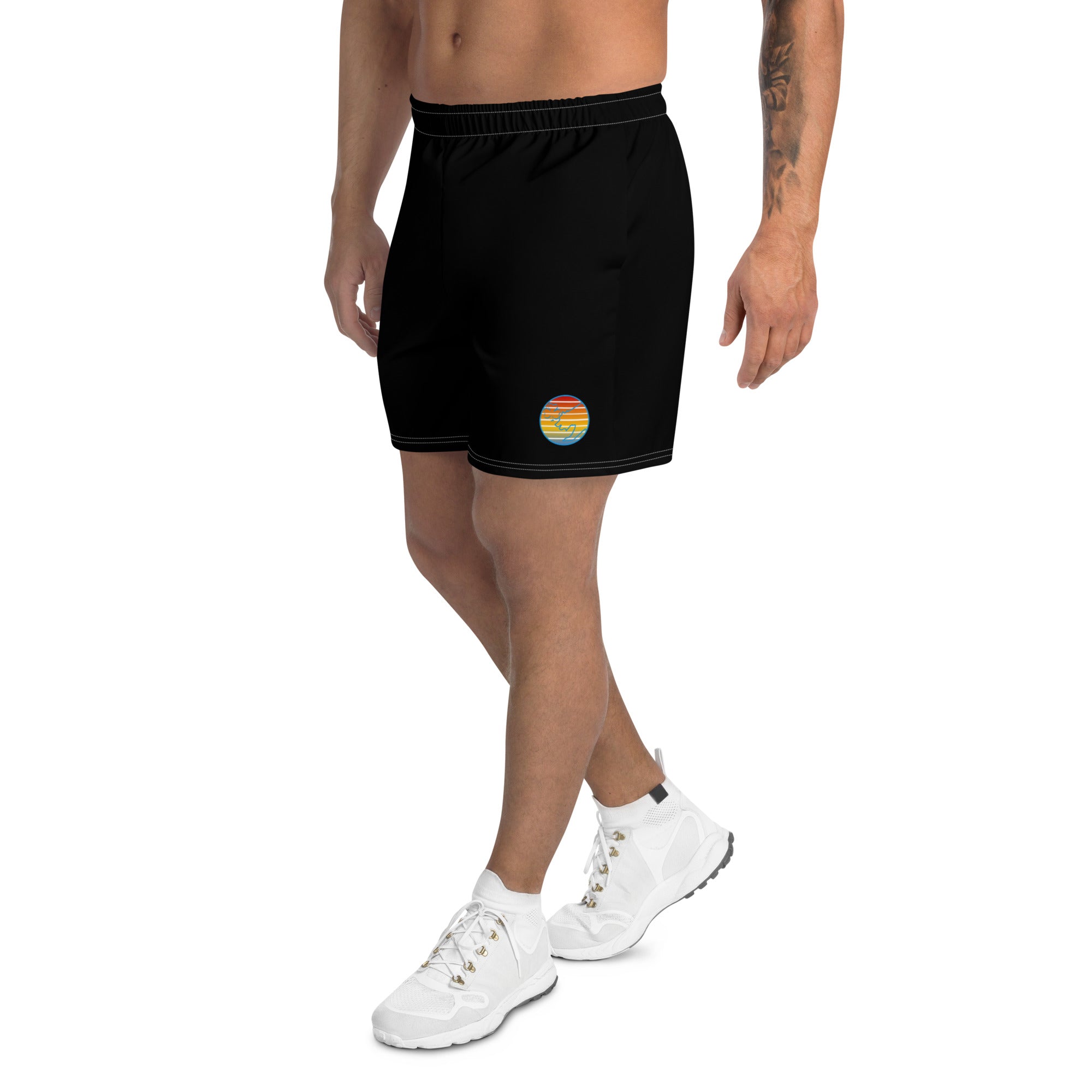
| Black Retro Sunset Men's Recycled Athletic Shorts | $35.00 | Warm-weather hiking and training | Four-way stretch, UPF50+ protection, mesh side pockets |
Price
Below, we break down what actually makes outdoor clothing last, where to spend and where to save, and how to build a layering kit that works in heat, wind, and cold.
Durable Outdoor Clothing Materials That Actually Hold Up
A garment's thickness alone does not show how durable it is. Fiber type, weave, fabric weight (oz/yd²), and seam finishing matter more.
Durable outdoor clothing materials fall into a few practical categories. Synthetics like polyester and nylon resist stretching and drying problems better than cotton. Ripstop weaves use a grid of thicker threads to stop tears from spreading. Reinforced stitching at stress points, shoulders, crotch, pocket corners, is often the difference between a jacket that lasts years and one that splits in month two.
Synthetic Fibers, Ripstop, and Reinforced Stitching
Polyester is widely used in technical apparel because it holds its shape and dries quickly. Nylon is stronger and more abrasion-resistant than polyester, which is why it shows up in packs, pants, and shells that see rock and brush.
Ripstop fabric adds a visible grid of thicker threads that arrests rips before they run. Denier measures fiber thickness: 30-denier nylon is light and packable, while 70-denier or higher is noticeably tougher and heavier.
Turn the garment inside out and inspect the seams. Double-stitched or bar-tacked seams at high-stress points signal a maker who expects hard use. Flatlock seams reduce chafe under a pack strap.
Weatherproofing, DWR Finishes, and Seam-Sealed Construction
A DWR finish is a durable water repellent coating that makes water bead and roll off the outer fabric. It is not waterproofing, and it wears off with abrasion and washing.
Seam-sealed construction, where tape covers the stitch lines, keeps water from sneaking through needle holes.
Zippers are the other failure point nobody checks. A standard coil zipper is fine for a mid-layer, but a daily-use shell benefits from a water-resistant zipper with a storm flap.
If you want to check whether a durability claim is legitimate before you buy, our guide on how to tell if sustainable clothing is actually durable walks through the checks we use.
What Separates Men's Outdoor Clothing Brands That Last
Price is a weak signal on its own. Some expensive gear is genuinely better built, and some is just marketing. The brands that last tend to share three habits: they specify their fabrics, they finish their seams properly, and they design for layering rather than one-piece solutions.
When you compare men's outdoor clothing brands, ask what the fabric weight is, whether the zippers are rated for outdoor use, and whether the pockets are functional. A jacket with shallow, unlined pockets is designed for a photo shoot, not a trail.
We think about it this way at Lucky Bear: a piece should work on a rocky overlook and still look right at a coffee shop afterward. If you are weighing whether higher prices are justified at all, our breakdown of whether expensive hiking gear is worth it covers the math, and if you want a concrete comparison point, this Patagonia alternative guide shows how a smaller brand stacks up.
Layering Systems: Base Layer, Mid-Layer, and Shell Jacket
A layering system is three pieces that work together: a base layer that moves sweat away from your skin, a mid-layer that traps warmth, and a shell jacket that blocks wind and rain. Get the system right and you can handle a wide temperature range with fewer garments. Get it wrong and you end up carrying three jackets that each do one narrow job badly.
Most men overbuy shells and underbuy mid-layers. The mid-layer does the quiet work. Our Everyday Sunset Lightweight Quarter-Zip Pullover is made from moisture-wicking, odor-resistant polyester at 3.8 oz/yd². The Sierra Sunset Quarter-Zip Pullover does the same job with a slightly different look for cooler days.
For the outer layer, the shell jacket is where weatherproofing lives. The Lucky Bear Embroidered Champion Packable Jacket is wind and rain resistant, has a hood, a front kangaroo pocket, and a hidden zipped pouch pocket you can scrunch the whole jacket into.
Fit for Different Body Types in Technical Gear
Fit is a durability issue, not just a comfort one, and it is the part of layering most guides skip. A shell that is too tight strains at the shoulders and armpits every time you reach, and that constant tension is where seams fail first.
Broad-shouldered and husky builds should size for the chest and accept a looser waist, since most outdoor shells are cut straight through the torso. Look for articulated sleeves or a gusseted underarm, which add range of motion without adding width.
Our windbreakers run small by design, so ordering a size up is the right call for most men, and the size charts on each product page list exact length, width, and sleeve measurements in inches.
Field-Tested Layering: What Changes After a Season of Use
The test that matters most is what happens after a season of use, and whether the system still works when one piece starts to fail.
Climate changes the equation too. In brutal heat, you want breathable, fast-drying fabric and UPF protection rather than insulation. In cold and wind, the mid-layer and shell do the work and the base layer stays thin. One kit, adjusted by layer, covers both. For specific mid-layer picks, our roundup of the best durable hoodies for hiking goes deeper.
Cheap Durable Outdoor Clothes for Men: Where to Save and Where Not To
You can build a functional kit without overspending, but only if you are strategic about which pieces get the budget. The rule we use: spend on the shell and the footwear, save on the mid-layer and the shorts.
Where to save:
- Mid-layers and quarter-zips, where the main job is moisture management
- Athletic shorts, as long as the fabric has real stretch and UPF protection
- Casual pieces you wear off the trail
Where not to save:
- The shell, where seam construction and coating quality decide how long it lasts
- Anything with a zipper that will see daily use
- Gear you plan to wear in sustained rain
Our Black Retro Sunset Men's Recycled Athletic Shorts are priced at $35.00. The fabric is 91% recycled polyester with 9% spandex, four-way stretch, moisture-wicking, fast-drying, and rated UPF50+ with a 6.5-inch inseam and mesh side pockets. That is a real trail short at a price that does not sting.
Real-World Stress Testing: Repairability and Longevity
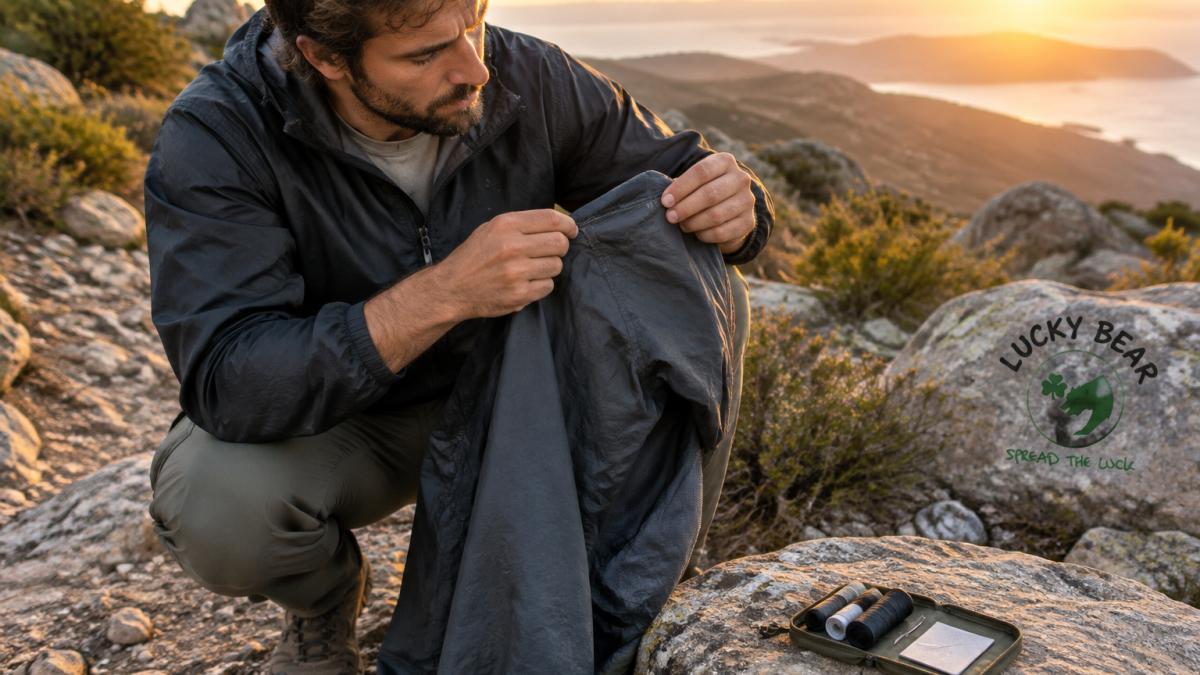
Repairability is the angle most gear guides skip. A jacket with a snagged zipper or a torn pocket seam is not finished if the fabric itself is sound. Look for generous seam allowances, standard zipper sizes you can replace, and fabric that takes a patch without fraying. Longevity comes from small habits too: washing a DWR-treated shell with the right detergent, air-drying instead of tumbling, and storing gear clean and dry.
Fit for Every Body Type and Climate
Broad-shouldered men should size for the chest and accept a looser waist, since most outdoor shells are cut straight. Slimmer frames often need to size down to avoid a boxy look, but check sleeve length first. Our windbreakers run small by design, so ordering a size up is the right call for most men, and the size charts on each product page list exact length, width, and sleeve measurements in inches.
Climate changes the equation too. In brutal heat, you want breathable, fast-drying fabric and UPF protection rather than insulation. In cold and wind, the mid-layer and shell do the work and the base layer stays thin. One kit, adjusted by layer, covers both.
Build Your Layering Kit with Lucky Bear
The kit we would actually pack is simple: a shell, a mid-layer, and a pair of shorts that can handle heat. Start with the Lucky Bear Embroidered Champion Packable Jacket, add the Everyday Sunset Quarter-Zip as your mid-layer, and finish with the recycled athletic shorts for warm days.
We make this gear for the way people actually use it: a morning surf check, an afternoon hike, a night out. If that sounds like your week, the kit is built for you.
Building a durable outdoor wardrobe is less about chasing a brand name and more about choosing pieces that layer, breathe, and survive real use. Lucky Bear designs California-inspired apparel, including water-resistant windbreakers, moisture-wicking quarter-zips, and UPF50+ athletic shorts. Pieces are made to order after you place an order.
Frequently Asked Questions
What materials make durable outdoor clothes for men last longest?
High-tenacity synthetic fibers like polyester and nylon, ripstop weaves, and reinforced stitching hold up best against abrasion and tearing. Look for DWR finishes for water resistance and seam-sealed construction on shells. Merino wool works well for base layers because it resists odor and regulates temperature. Four-way stretch fabrics with UPF protection add durability for active use. Lucky Bear's windbreakers use 100% polyester with an interior water-resistant coating rated to 600 mm, which handles light rain and wind without adding bulk.
Are cheap durable outdoor clothes for men actually worth buying?
Yes, if you focus on materials and construction rather than brand name. A $35 quarter-zip pullover made from moisture-wicking polyester can outperform a $100 option with weaker fabric. Check for reinforced stitching, functional pockets, and fabric weight before buying. Lucky Bear's Everyday Sunset pullover costs $35 and offers odor-resistant, moisture-wicking fabric, while their $60 windbreakers add water resistance and a packable design. Spending more makes sense when you need weatherproofing or abrasion resistance for rugged terrain.
How should men layer clothes for outdoor activities?
Start with a moisture-wicking base layer to pull sweat away from skin, add a mid-layer like a quarter-zip pullover for thermal regulation, and finish with a shell jacket for wind and rain protection. This three-part system lets you adjust as conditions change. Lucky Bear's Sierras quarter-zip works as a mid-layer, and the Spread the Luck windbreaker serves as a lightweight shell with a 600 mm waterproof rating. Ventilation and breathable fabrics keep you from overheating during high-output activities like hiking or skateboarding.
How do you make durable outdoor clothes last longer?
Wash technical apparel in cold water and air dry to preserve DWR finishes and elastic cuffs. Avoid fabric softener, which clogs moisture-wicking fibers. Repair small tears early with patch kits or reinforced stitching before they spread. Store gear clean and dry, and reapply water repellent treatment when water stops beading on the surface. Choosing pieces with reinforced stitching and abrasion-resistant fabric from the start, like ripstop or high-tenacity polyester, reduces the need for repairs and extends the life of your outdoor clothing.
