
Last Updated: November 21, 2026
Quick Summary
To find ethical brands, check each company's labor, environmental, and animal welfare claims against independent evidence before buying. Ask five questions: who makes the product, what it is made of, where it comes from, what certifications it holds, and what happens at end of life. Verify certificate numbers on the certifier's own database, not the brand's website.
- If a brand can't answer three of the five questions, treat that as your answer and move on.
- Words like eco-conscious and planet-friendly carry no legal or technical meaning on their own.
- Score brands 0 to 2 per category and treat anything below 4 out of 8 as a brand to skip.
- A high overall rating can mask a zero in one category, so check the category breakdown.
- A brand that won't disclose anything is one to skip, since plenty of others will answer.
Table of Contents
- Start With a Repeatable Brand Research Workflow
- How to Check if a Brand Is Ethical: Evidence Over Marketing
- What a Clothing Brand Ethical Rating Actually Measures
- Where to Compare Ethical Brands and Find Reliable Ratings
- Ethical Clothing Brands That Are Affordable
- Ethical Brand Examples Across Fashion and Everyday Goods
- What to Do When a Brand Won't Disclose Its Supply Chain
- Build Your Shortlist and Shop With Confidence
- Frequently Asked Questions
Start With a Repeatable Brand Research Workflow
Finding ethical brands is the practice of checking a company's labor, environmental, and animal welfare claims against independent evidence before you spend money with them. This guide walks through a practical process for vetting any label.
The good news: you do not need a degree in supply chain management to do this well. You need a repeatable process and a healthy skepticism toward marketing language.
The Five Questions Every Brand Should Answer
Every brand you research should answer these five questions, in order:
- Who makes the product? Look for named factories or supplier lists, not vague phrases like "ethical partners."
- What is it made of? Specific fibers, not "eco-friendly materials."
- Where does it come from? Country-level sourcing is the minimum; region or facility is better.
- What certifications does it hold? Third-party certification beats self-reported claims every time.
- What happens at end of life? Repair, take-back, or recycling programs signal serious intent.
If a brand can't answer three of these five, treat that as your answer and move on.
How to Check if a Brand Is Ethical: Evidence Over Marketing
Checking whether a brand is ethical means comparing its public claims to independent evidence, not to how good its website looks.
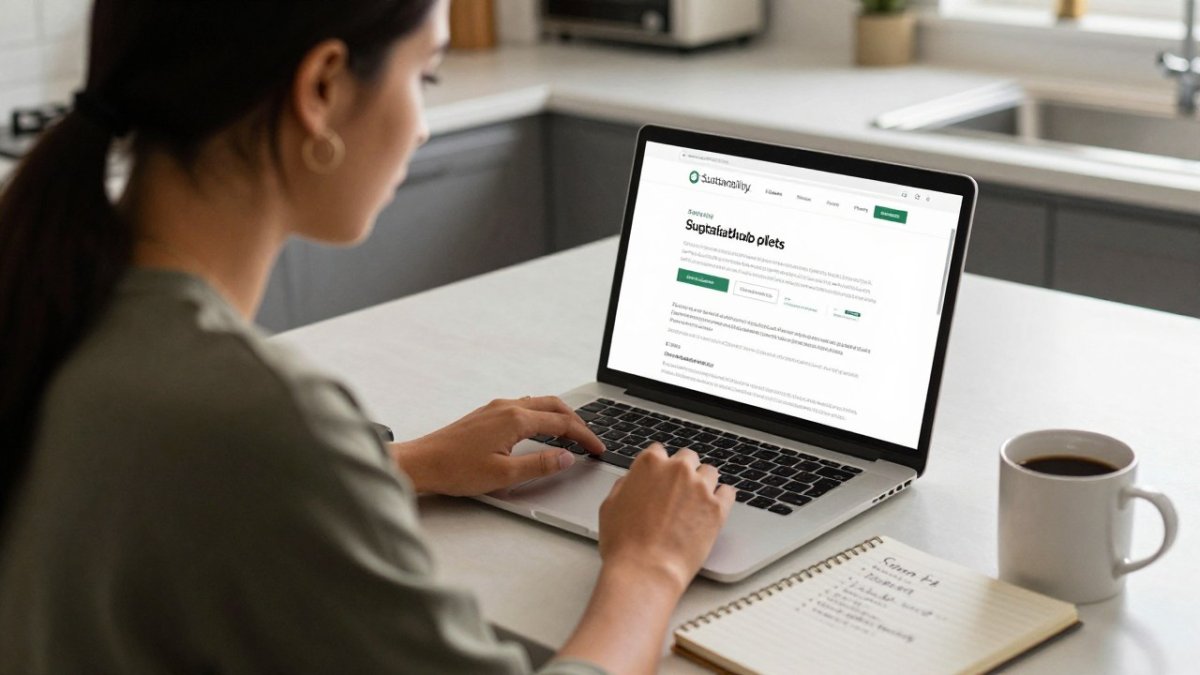
Here's a workflow to follow, step by step:
- Read the sustainability page first. Note every claim the brand makes, word for word.
- Search for the factory or supplier list. Responsible sourcing usually means naming facilities.
- Check certification databases directly. Verify the certificate number on the certifier's own site, not the brand's.
- Look for a published impact report. A real one includes numbers, timelines, and missed targets.
- Search the brand name plus "lawsuit" or "labor complaint." Past problems matter less than how the brand responded.
Spotting Greenwashing in Brand Claims
Greenwashing is when a brand's environmental marketing overstates or misleads about what it actually does. The tell is almost always vagueness.
Watch out: words like "eco-conscious," "planet-friendly," and "responsibly made" carry no legal or technical meaning on their own. A brand leaning on them without a certification or a named supplier is usually hiding an empty claim. The Federal Trade Commission's Green Guides set the standard for what environmental marketing claims must be able to back up.
What a Clothing Brand Ethical Rating Actually Measures
A clothing brand ethical rating is a score that summarizes how a company performs on labor practices, environmental impact, and animal welfare, usually built from public data and brand disclosures.
Most ratings weigh a mix of:
- Transparency: how much the brand discloses about suppliers and factories
- Labor practices: wages, safety, and workers' rights at production sites
- Environmental impact: materials, carbon emissions, and water use
The International Labor Organization's standards on forced labor are a useful reference point for what decent work actually requires. For a closer look at whether durable clothing is worth the investment, read Are Durable Outdoor Clothes for Men Worth It?.
Build Your Own Transparent Scoring Framework
Rather than trusting an unexplained number, you can score a brand yourself on the four categories above, using a simple 0-2 scale per category:
- 0 = no evidence. The brand makes a claim but publishes nothing verifiable.
- 1 = partial evidence. A certification covers one product line, or a supplier list stops at tier one.
- 2 = verified evidence. A third-party certificate number checks out on the certifier's own site, or a named facility is disclosed with an audit date.
Add the four scores for a total out of 8. A common pattern among practitioners is to treat anything below 4 as a brand to skip, 4-5 as a brand to buy from only in a specific certified category, and 6 or higher as a brand worth shortlisting. The number matters less than the habit: you are forcing yourself to name the evidence behind each point.
Weigh the Categories by What You're Buying
The four categories are not equally important for every purchase. Weight them to the item in front of you:
- Basics and high-wear items (tees, jeans, workwear): weight labor and durability highest, because the item will be washed and worn for years and the people making it face the most repetitive exposure.
- Animal-derived materials (wool, leather, down): weight animal welfare highest, and check whether the specific material, not the brand, holds a welfare certification.
- Synthetic activewear: weight environmental impact highest, since fiber choice and microfiber shedding dominate the footprint.
Read Uncertainty Instead of Hiding It
A good rating tells you what it does not know. When you read a platform score, look for three things: the date of the underlying data, whether the score covers the whole company or one product line, and whether the rater discloses its own funding.
Watch out: a high overall score can mask a zero in one category, so always look at the category breakdown before you treat a brand as vetted.
Where to Compare Ethical Brands and Find Reliable Ratings
Comparing ethical brands works best when you use more than one source. A brand directory or rating platform gives you a fast first pass, then you verify the details yourself.
Here's how the main types of sources stack up:
| Source Type | What It's Good For | Watch Out For |
|---|---|---|
| Independent rating platforms | Fast scores across many brands | Methodology varies; check the criteria |
| Brand directories | Browsing by category or value | Some charge brands for listings |
| Certification databases | Verifying a specific claim | Only covers certified products |
| Brand impact reports | Depth on one company | Self-reported, needs cross-checking |
| News and complaint records | Catching past problems | Older stories may be resolved |
Use a rating platform to build a shortlist, then confirm each brand's certifications through the certifier's own database. That two-source habit filters out most weak claims.
Ethical Clothing Brands That Are Affordable
Affordable ethical clothing is possible, but it usually means changing where you shop, not just which logo you buy.
A few practical moves:
- Buy fewer, better basics. A plain, durable tee beats three fast-fashion versions.
- Check resale and seconds first. Many ethical brands sell samples or returns at lower cost.
- Look for repair programs. Free repairs stretch the cost per wear.
The Ellen MacArthur Foundation's work on circular fashion explains why durability matters more than a single low price. If you want a broader set of budget-friendly options to compare, this roundup of alternatives to expensive skateboard brands is a useful place to start.
Run the Cost-Per-Wear Math Before You Decide
Cost per wear is the sticker price divided by the number of times you expect to wear the item. A $90 hoodie worn twice a week for three years works out to well under a dollar per wear; a $25 fast-fashion version worn ten times before it pills costs more than twice as much per wear. Do the division before you buy, and be conservative about how often you will actually wear something.
Know Where Affordable Ethical Stock Actually Comes From
Most budget-friendly ethical inventory falls into five buckets, and each has a different catch:
- Direct-to-consumer basics brands: lower markup because there is no wholesale layer, but limited size ranges and few physical stores.
- Resale and consignment: the lowest cost per wear on durable goods, but you are buying someone else's fit and the item may already be near end of life.
- Samples, seconds, and past-season sales: deep discounts from ethical brands, but final sale and inconsistent sizing.
Set a Budget Rule and Accept Imperfect Choices
A workable rule for most shoppers is to reserve ethical spending for the categories where it matters most, items you wear against your skin, items you wear weekly, and animal-derived materials, and to buy secondhand or repair for everything else.
Watch out: a low price on a "sustainable" item is often the tell that only the marketing is sustainable, check the certification on the specific item before you let the discount decide for you.
Ethical Brand Examples Across Fashion and Everyday Goods
Ethical brands exist well beyond clothing. Coffee, cleaning products, electronics, and outdoor gear all have companies that publish supplier lists and hold third-party certification. The same five questions apply in every category.
For apparel specifically, look for brands that name their factories, use certified organic or recycled materials, and publish an annual impact report. This roundup of coastal lifestyle clothing brands and this guide to sustainable outdoor clothing brands for veterans both give you concrete examples to research with the workflow above.
Watch out: a brand with one certified product line doesn't mean the whole catalog is certified. If graphic tees are your thing, this list of skate brands for graphic tees shows how to apply the same checks.
What to Do When a Brand Won't Disclose Its Supply Chain
When a brand won't disclose its supply chain, treat the missing information as a data point. Silence is an answer, and usually not a flattering one.
Your options, in order:
- Ask directly. Email or message the brand and ask for its supplier list. A serious brand responds.
- Check for partial disclosure. Some brands name tier-one factories but not raw material sources.
- Look at certifications as a proxy. A certified product gives you some assurance even without a full list.
- Set your threshold. Decide in advance how much opacity you'll accept, then hold to it.
A brand that won't disclose anything is one to skip. Plenty of others will answer the question.
Build Your Shortlist and Shop With Confidence
You now have a repeatable way to find ethical brands: ask the five questions, verify claims against independent sources, check certifications directly, and treat silence as a red flag. That process takes about 20 minutes per brand and saves you from a lot of empty marketing.
At Lucky Bear, our California-inspired apparel, from the Lucky Bear Surf Club collection to the Sierra Collection and the Lucky Cubs line for kids, is made for beaches, mountains, and everything between.
The hardest part isn't finding ethical brands. It's staying patient enough to verify them before you buy. Start with one brand this week and run the five questions.
Frequently Asked Questions
How do I check if a brand is ethical without spending hours researching?
Start with three checks that take about ten minutes. First, look for third-party certification logos on the product page, such as Fair Trade or GOTS for organic textiles. Second, search the brand's site for a supplier list or impact report; if neither exists, that's a signal. Third, cross-reference the brand on a rating directory that publishes its methodology. If two of the three checks come back empty, treat the brand's claims as unverified until you find independent evidence.
What certifications should I look for when shopping for ethical brands?
Look for certifications tied to a specific claim rather than a general badge. Fair Trade addresses labor practices and worker pay. GOTS and OEKO-TEX cover organic textiles and chemical safety in fabrics. B Corp certifies overall social and environmental performance across the business. Bluesign focuses on responsible sourcing in textile production. Each one is verified by an outside body, which is what separates it from a brand's own marketing language. Check that the certification covers the specific product you're buying, not just the company overall.
Are ethical clothing brands affordable, or do they always cost more?
Not always. Prices vary widely, and several factors push costs up: certified organic materials, fair wages, and smaller production runs. You can offset the cost by buying fewer pieces, choosing basics over trend items, and shopping resale or end-of-season sales from certified brands. Some affordable options exist in outdoor and everyday apparel, but pricing depends on the specific item and materials, so check each brand's site for current prices rather than assuming a category-wide range.
How can I tell if a brand is greenwashing?
Greenwashing usually shows up as vague language with no numbers behind it. Watch for phrases like eco-friendly or sustainable used without a definition, badges a brand designed itself, and claims about one product line that get applied to the whole company. Ask three questions: Is the claim specific? Is it verified by an independent third party? Does the brand publish progress data, including what it hasn't fixed yet? A brand that answers all three is doing more than a brand that only publishes slogans.
