

Table of Contents
- What to Wear Hiking in Summer: Quick Comparison
- The Best Fabric for Hiking in Hot Weather
- Best Sun Hoodies for Hiking and Long-Sleeve Protection
- Hot and Humid Weather Hiking Gear: What Changes
- Hiking Shorts and Bottoms for Extreme Heat
- Heat-Risk Guidance and Clothing Limitations
- Care, Odor Control, and Rewearing on Multi-Day Trips
- Conclusion
- Frequently Asked Questions
Last Updated: October 5, 2026
What to Wear Hiking in Summer: Quick Comparison
The best hiking apparel for extreme heat is lightweight, loose-fitting, moisture-wicking, and rated for sun protection. At Lucky Bear, we build our trail gear around that exact formula, because the right layers decide whether a hot-weather hike feels manageable or miserable.
Here is the quick version before we go deeper:
| Layer | Best Pick | Why It Works | Price |
|---|---|---|---|
| Base layer | Moisture-wicking synthetic top or tank | Moves sweat off skin fast | From $25 |
| Sun protection | Lightweight quarter-zip or long-sleeve layer | Covers arms without trapping heat | $35 |
| Bottoms | Quick-drying athletic shorts | UPF50+, four-way stretch, mesh pockets | $35 |
| Headwear | Cotton bucket hat with eyelets | Shades face, vents heat | $25 |
The Best Fabric for Hiking in Hot Weather
The best fabric for hiking in hot weather is a synthetic like polyester or nylon, because it wicks moisture and dries quickly instead of holding sweat against your skin.

Fabric choice comes down to three jobs: moving sweat, drying fast, and blocking UV. Here is how the main options stack up.
- Polyester: Lightest and fastest-drying. Our Everyday Sunset quarter-zip is 100% polyester at 3.8 oz/yd², so it stays cool and resists odor.
- Nylon: Slightly more durable, good for abrasive trails.
- Merino wool: Naturally odor-resistant, ideal for backpacking when you cannot wash gear.
- Cotton: Comfortable but soaks up sweat and dries slowly, which raises chafing risk.
A common mistake is wearing a heavy cotton t-shirt on a long desert hike. It feels fine for the first mile, then holds moisture and drags heat against your body.

Best Sun Hoodies for Hiking and Long-Sleeve Protection
The best sun hoodies for hiking combine a UPF rating, a loose fit, and a light fabric weight. They cover your neck, ears, and arms without the greasy feel of repeated sunscreen application. Look for a UPF rating of 30 or higher.
Long sleeves are not a heat penalty when the fabric is thin and loose. Air moves through the gap between cloth and skin, and the sun never hits bare arms.
Our Everyday Sunset Lightweight quarter-zip ($35) is built for this: a cadet collar, color-matching zipper, and moisture-wicking polyester that layers over a tank or tee. Pair it with the Buckets of Luck Bucket Hat ($25), a 100% cotton twill hat with sewn eyelets that vent heat while shading your face.
For more on UV protection standards, the EPA sun safety guidance explains how UV exposure varies by time of day and elevation.
Hot and Humid Weather Hiking Gear: What Changes
Humid heat and dry heat stress your clothing in opposite ways, and the same shirt that feels perfect in the desert can feel like a plastic bag in the Southeast.
In dry heat, the air is thirsty. Sweat evaporates almost as fast as you produce it, so the priority shifts to replacing the water you are losing and blocking the sun that is driving the loss. A loose long-sleeve layer and a wide-brim hat do more work there than any wicking chemistry.
Here is how the two climates change your choices:
| Decision | Humid heat | Dry heat |
|---|---|---|
| Fabric weight | Thinnest synthetic you own | Light but can go slightly heavier for UV coverage |
| Fabric type | Polyester or nylon, knit for stretch and airflow | Polyester or nylon; merino works if odor is the concern |
| Fit | Loose, but not so baggy it flaps and chafes | Loose and airy; the gap between cloth and skin is the cooling layer |
| Coverage | Long sleeves still help, but prioritize breathability over full coverage | Long sleeves and a hood win; bare skin loses to fabric in direct sun |
| Color | Light colors help marginally; airflow matters more | Light colors reflect more solar load |
| Bottoms | Shorts with mesh panels; skip anything waterproof | Shorts or thin convertible pants; watch for hot rock and brush |
| Drying overnight | Assume nothing dries; pack a dry sleep set | A rinsed shirt often dries by morning |
A few mechanisms worth knowing:
- Why waterproof shells are the wrong call. A rain jacket blocks wind and traps the humid microclimate next to your skin. In humid heat that is the last thing you want, so leave the shell in your pack unless storms are actually forecast.
- Why "lighter" beats "more technical." In saturated air, a thin knit moves vapor more readily than a dense woven fabric with a fancy finish. A 3.8 oz/yd² polyester quarter-zip will out-breathe a heavier "cooling" shirt every time.
- Why a dry camp set is not optional. In humid air, a soaked shirt can still be damp at sunrise. A small dry top and socks for camp protect your sleep and your skin.
If you hike in both climates, build around one thin synthetic long-sleeve layer, one pair of quick-drying shorts, and a wide-brim hat, then adjust coverage up for dry heat and fabric weight down for humid heat.

Hiking Shorts and Bottoms for Extreme Heat
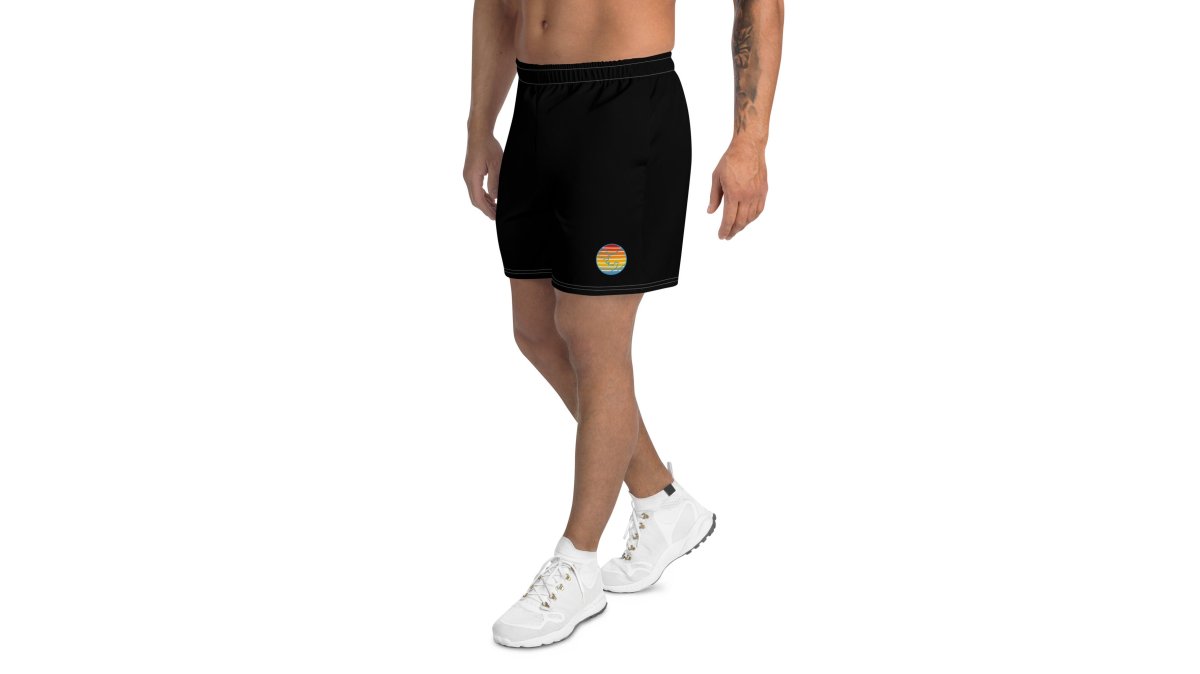
The best hiking shorts for extreme heat are quick-drying, stretchy, and rated for UV protection.
Our recycled athletic shorts ($35) check every box: 91% recycled polyester and 9% spandex, four-way stretch, UPF50+ protection, and mesh side pockets that actually hold a phone or snack.
Leggings work for some hikers in heat, but only the thin, sweat-wicking kind. Heavy leggings trap heat and slow drying, so save them for cooler mornings.
Everyday Sunset Lightweight quarter-zip pullover →
| Bottom Style | Best For | Drying Speed | Coverage |
|---|---|---|---|
| Athletic shorts | Hot, dry trails | Fast | Thighs exposed |
| Light leggings | Cool mornings, buggy trails | Medium | Full leg |
| Convertible pants | Mixed conditions | Medium | Adjustable |
Heat-Risk Guidance and Clothing Limitations
No shirt, hoodie, or hat makes extreme heat safe on its own. Clothing manages sweat and sun, but it cannot lower your core temperature, and it cannot replace the fluids and electrolytes you lose. Treat apparel as one part of a heat plan, not the plan itself.
Heat illness runs on a spectrum, and the early signs are easy to dismiss as "just hot." Watch for:
- Heavy sweating and cool, clammy skin
- Muscle cramps, especially in the legs and abdomen
- Weakness, fatigue, or a headache that builds through the day
- Dizziness, lightheadedness, or nausea
- Rapid pulse and dark, concentrated urine
Heat stroke is the emergency end of that spectrum. Warning signs include a body temperature of 103°F or higher, hot and dry skin (sweating may stop), confusion or slurred speech, and loss of consciousness.
A practical heat plan for a hot-weather hike:
- Start early. Aim to be on trail before sunrise and off exposed ridges by mid-afternoon, when UV and air temperature peak.
- Carry more water than feels reasonable. A common planning range is roughly half a liter per hour of moderate hiking in heat, more on steep or exposed terrain. Electrolyte tabs or a salty snack help replace what sweat takes.
- Take shade breaks before you feel bad. Ten minutes in shade every hour beats a forced hour under a rock at mile eight.
- Know your turnaround. If you are halfway through your water before halfway through the hike, turn around.
- Hike with a buddy and share your plan. Heat illness impairs judgment, which is exactly when you need someone else to call it.
What clothing can and cannot do:
- A sun hoodie blocks UV, but on a still, windless day it also traps some heat. On those days, a lighter long-sleeve layer or a wet bandana around the neck can help more.
- Moisture-wicking fabric moves sweat off your skin, but it does not replace the water you have lost. Drink on a schedule, not on thirst alone.
- Light colors reflect some solar load, but they do not cool your core. Only shade, water, and rest do that.
- Cotton holds sweat against your skin, which raises chafing risk and slows evaporative cooling. Save it for camp.
The CDC heat and health resources outline the full set of warning signs and first-response steps. The National Weather Service heat safety guidance is a good source for checking heat advisories before you leave.
Care, Odor Control, and Rewearing on Multi-Day Trips
Odor control on multi-day trips comes down to fabric choice and airflow. Synthetic fabrics treated for odor resistance, like our Everyday Sunset quarter-zip, stay fresher longer than plain cotton, and merino wool is the gold standard for rewearing.
On a backpacking trip, you may wear the same shirt for several days. A few habits keep it wearable:
- Rinse your shirt in a stream or basin at camp, then hang it to dry.
- Rotate between two tops so each gets a drying day.
- Air gear out of your pack overnight instead of stuffing it damp.
- Choose odor-resistant fabrics to reduce the wash frequency you need.
Our tank tops ($25-$27) are lightweight jersey or cotton blends that pack small and layer easily, which helps when you are managing limited pack space.
Conclusion
Extreme heat punishes guesswork. Pick lightweight, moisture-wicking, sun-rated layers, respect the limits of what clothing can do, and plan around the hottest hours. Lucky Bear builds California-inspired trail gear for exactly this: the Everyday Sunset quarter-zip for breathable coverage, UPF50+ recycled athletic shorts for quick-drying bottoms, and the Buckets of Luck Bucket Hat for vented shade. Add to cart and gear up for the heat.
Frequently Asked Questions
What is the best clothing to wear hiking in hot weather?
Light-colored, loose-fitting, moisture-wicking layers work best. Choose a synthetic or merino wool base layer, a UPF-rated long-sleeve shirt or sun hoodie, and quick-drying shorts or pants. Avoid cotton, which holds sweat and dries slowly. A wide-brim hat and breathable footwear complete the setup. Lucky Bear's Everyday Sunset Lightweight quarter-zip pullover is 100% polyester at 3.8 oz/yd², making it a practical mid-layer for hot hikes.
Is it too hot to hike in 90-degree weather?
It depends on humidity, sun exposure, and your fitness. In dry heat, 90°F can be manageable with early starts, shade, and plenty of water. In humid heat, the same temperature feels much hotter because sweat evaporates slowly. Watch for signs of heat exhaustion like dizziness, nausea, or stopping sweat. If those appear, cool down and descend. Clothing helps, but it cannot override dangerous conditions.
Are long sleeves better than short sleeves for hot-weather hiking?
Often yes, if the fabric is lightweight and breathable. Long sleeves block UV rays and reduce direct sun on your skin, which lowers heat gain. A UPF-rated sun hoodie in a thin synthetic fabric can feel cooler than bare arms under strong sun. For humid heat, choose a loose fit and vented fabric to keep airflow moving. Lucky Bear's quarter-zip pullover offers long sleeves with moisture-wicking and odor-resistant properties.
What is the best fabric to wear in extreme heat?
Polyester and nylon blends dry fast and move sweat away from your skin. Merino wool regulates temperature and resists odor, though it costs more. Cotton is the worst choice for extreme heat because it soaks up sweat and stays wet. Look for lightweight fabrics under 5 oz/yd² with a UPF rating. Lucky Bear's recycled athletic shorts use 91% recycled polyester and 9% spandex at 5.13 oz/yd² with UPF50+ protection.
What should I wear hiking in hot, humid weather?
In humid heat, prioritize loose fit, thin fabric, and ventilation. Choose a mesh or vented sun hoodie, quick-drying shorts with mesh pockets, and a wide-brim hat with eyelets. Avoid tight layers that trap moisture. Lucky Bear's Buckets of Luck Bucket Hat is 100% cotton twill with sewn eyelets for breathability, and the recycled athletic shorts have mesh side pockets and a 6.5-inch inseam for airflow.
Heat does not have to end your hiking season. Lucky Bear makes lightweight, moisture-wicking apparel that moves from the trail to town without missing a beat. Our Everyday Sunset quarter-zip keeps you cool and odor-free, our UPF50+ recycled athletic shorts dry fast and carry your essentials in mesh pockets, and our Buckets of Luck Bucket Hat shades your face with breathable cotton twill. Get started with Lucky Bear and hike through the hottest months in comfort.